
How to Design a Coaching Program That Gets Real Results (2026)
Most coaches start with a blank calendar and good intentions. A client signs up.
Practical tips, strategies, and product updates to help you grow your coaching business and deliver better results for clients.
Most coaches start with a blank calendar and good intentions. A client signs up.

Every coach has tried it. You introduce journaling as a between-session practice.

Most of what happens in a great coaching session starts to fade within hours. Not because the session was not meaningful, but because the brain is continuously processing new information and the insights from this afternoon compete with everything that comes after.

You did not intend to be available at all hours. But somewhere along the way, that is what happened.

Ask any coach what the most common between-session outcome is, and most will eventually admit: the big, ambitious action the client committed to often does not happen. The client was enthusiastic in the session.

People often use the terms interchangeably. They should not.
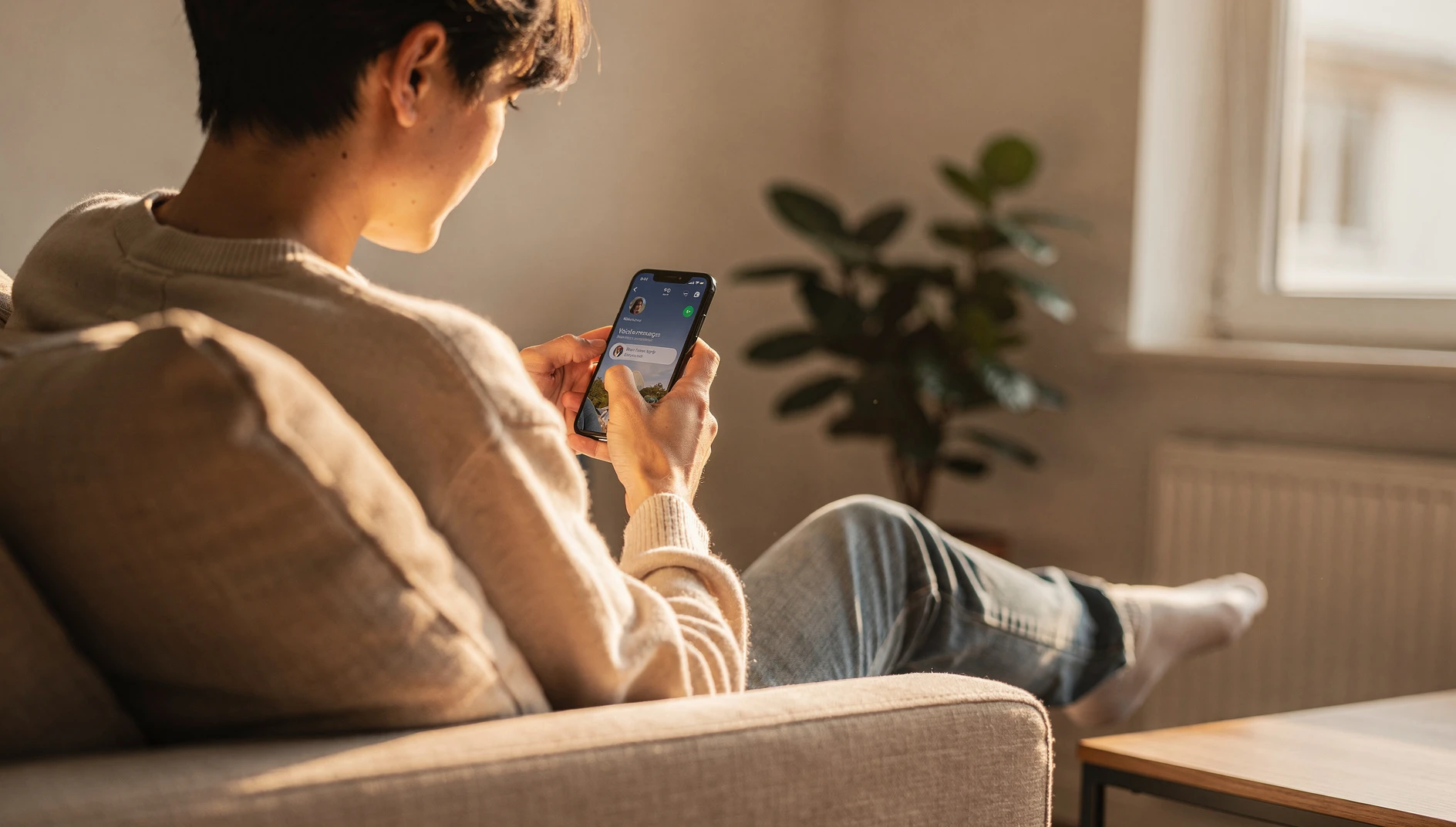
Nobody sat down and decided to run their coaching practice on WhatsApp. It just happened.

In-session coaching questions are powerful. But they only work on what the client brings to the call.

Asynchronous coaching is one of those topics that comes up constantly in coaching communities but rarely gets a clear definition. The term gets used to mean many different things.

A check-in message is one of the lowest-effort, highest-return things you can do between sessions. One message.

Most coaching homework doesn't get done. That is the uncomfortable truth coaches figure out within the first few months of practice.

Here is a pattern most coaches recognize. A client comes to a session energized.
Join coaches already using Kaido to manage clients, schedule sessions, and grow their practice without the chaos of juggling multiple tools.